English

AP English Language
Nine units covering rhetorical reading, evidence, commentary, organization, style, synthesis, argument, and revision.

AP English Literature
Nine units in close reading of short fiction, poetry, and longer fiction or drama, with evidence-based literary argument throughout.
History & Social Sciences

AP European History
Nine units from c. 1450 to the present, with evidence analysis and AP writing support.

AP Macroeconomics
Six units connecting scarcity and economic indicators to aggregate demand and supply, financial markets, stabilization policy, growth, and the open economy.

AP Microeconomics
Six units covering constrained choice, supply and demand, firm costs, market structures, factor markets, externalities, public goods, and inequality.

AP Psychology
Five units connecting biological, cognitive, developmental, social, and health psychology through research evidence and careful limits on inference.

AP U.S. History
Nine units from 1491 to the present, with evidence analysis and AP writing support.

AP World History
Nine units covering c. 1200 to the present, with source analysis and AP writing support.
Math & Computer Science
AP Calculus AB
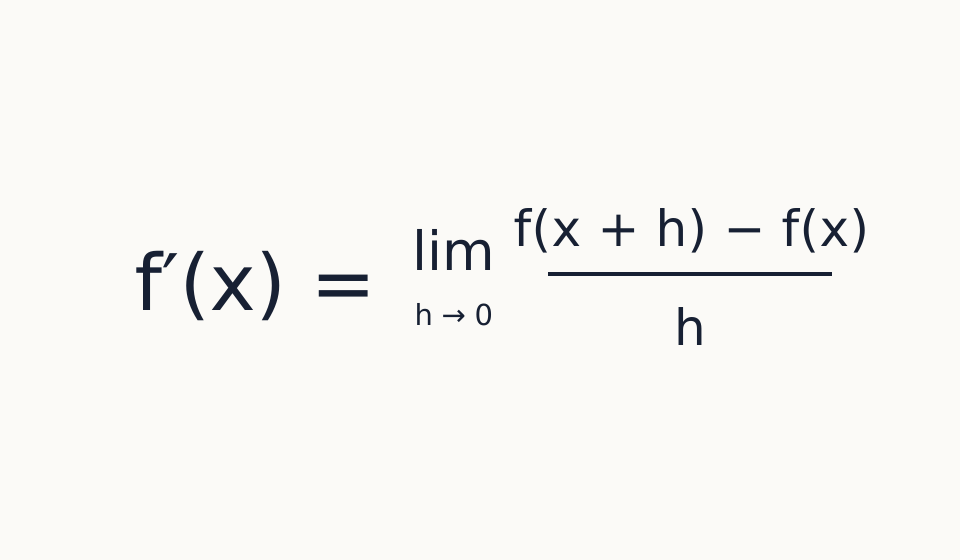
Eight units that review limits, derivatives, integrals, differential equations, and applications through meaning, conditions, representations, and method selection.
AP Calculus BC
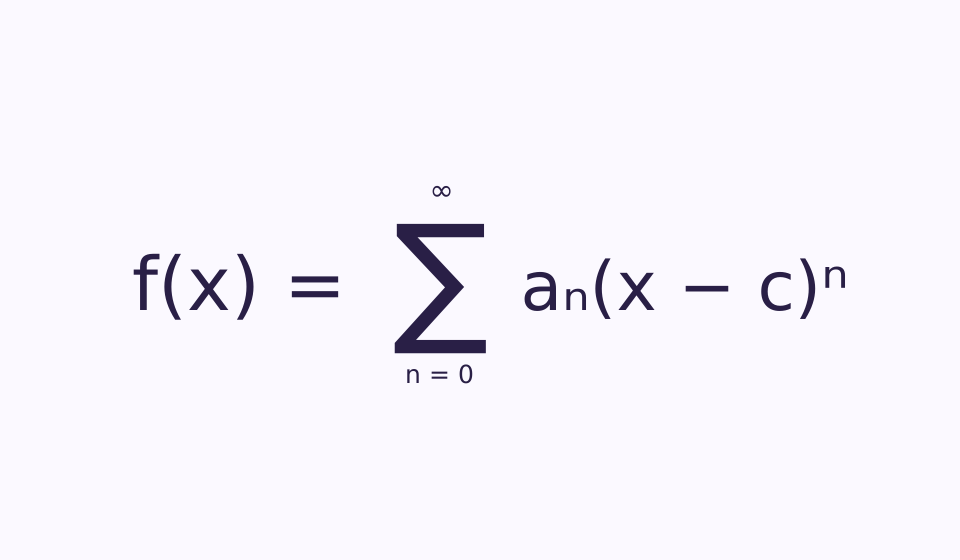
Ten units reviewing change, accumulation, differential equations, parametric and polar analysis, and infinite series through conditions and connected representations.

AP Computer Science A
Four units covering Java objects and methods, selection and iteration, class design, and data collections. Every topic includes an interactive, execution-verified code trace and an explanation of the state changes that matter.

AP Computer Science Principles
Five units covering creative development, data, algorithms and programming, computer systems and networks, and the impact of computing. Step through every model and learn what each state proves.
AP Precalculus
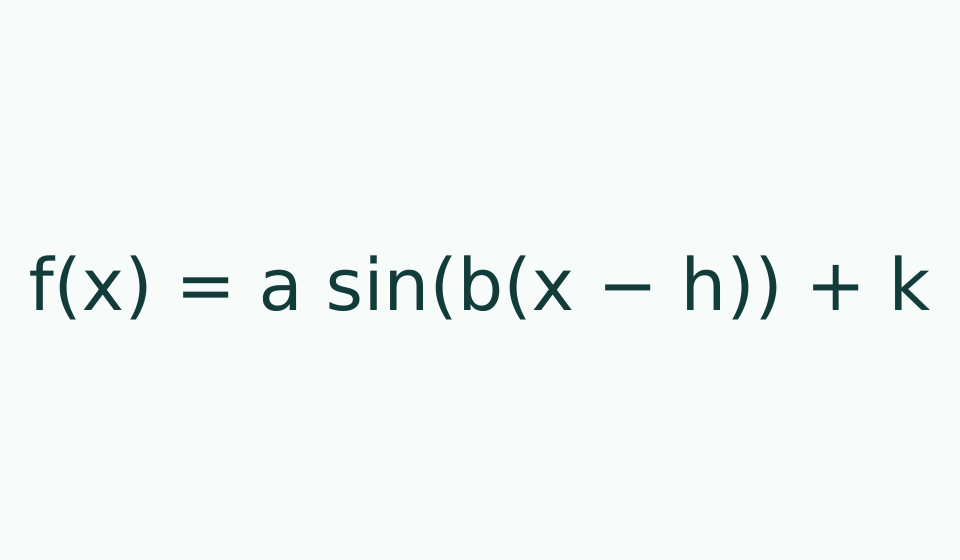
Four units reviewing function behavior, modeling, representation changes, and method selection. Unit 4 extends the course beyond assessed AP Exam content.
AP Statistics
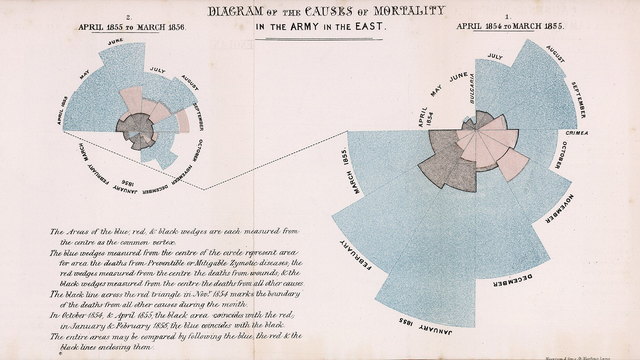
Five units covering data, study design, probability, sampling distributions, inference for proportions and means, and descriptive regression.
Sciences
AP Biology
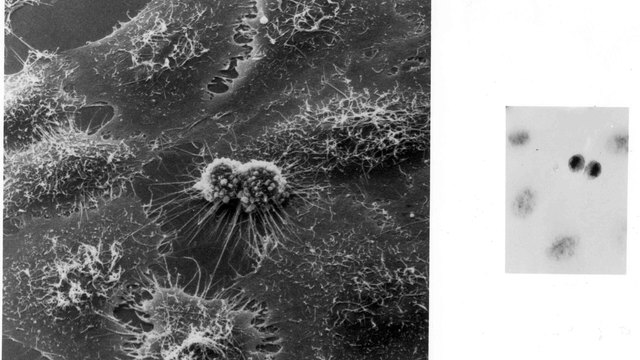
Eight units covering molecular interactions, cells, energetics, information, evolution, and ecology.

AP Chemistry
Nine units covering atomic structure, bonding, reactions, kinetics, thermodynamics, equilibrium, acids and bases, and electrochemistry.

AP Physics 1
Eight units covering motion, forces, energy, momentum, rotation, oscillations, and fluids.

AP Physics C: E&M
Six units covering electric fields and potential, conductors and capacitors, circuits, magnetism, and electromagnetic induction.
AP Physics C: Mechanics
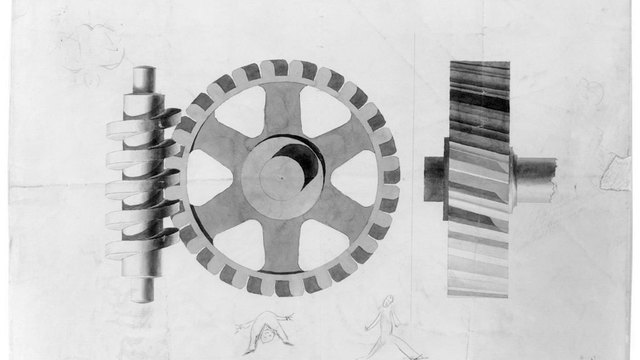
Seven units covering kinematics, forces, energy, momentum, rotation, orbits, and oscillations through calculus-based mechanics.