Mental and Physical Health
Health and disorder are studied through interacting biological, psychological, social, and structural processes, with careful boundaries around classification and care.
- Exam weight
- 15–25%
- Topics
- 5
Introduction
Health and disorder are studied through interacting biological, psychological, social, and structural processes, with careful boundaries around classification and care.
This unit connects stress and well-being research to classification and treatment evidence. Its central skill is inference: decide whether evidence supports an observation, association, causal mechanism, professional category, or policy decision.
The course explains mental-health concepts without diagnostic checklists or individual recommendations. If course material raises a personal concern, use a trusted adult or qualified health professional; in the United States, call or text 988 for immediate crisis support.
health psychology
positive psychology
reliable communication with limits
benefits, harms, access, and professional decision-making
Introduction to Health Psychology
How do psychological, biological, and social processes relate to health?
Health reflects interacting physiology, appraisal, behavior, relationships, resources, and structural conditions, so a stress–health association never justifies blaming an individual.
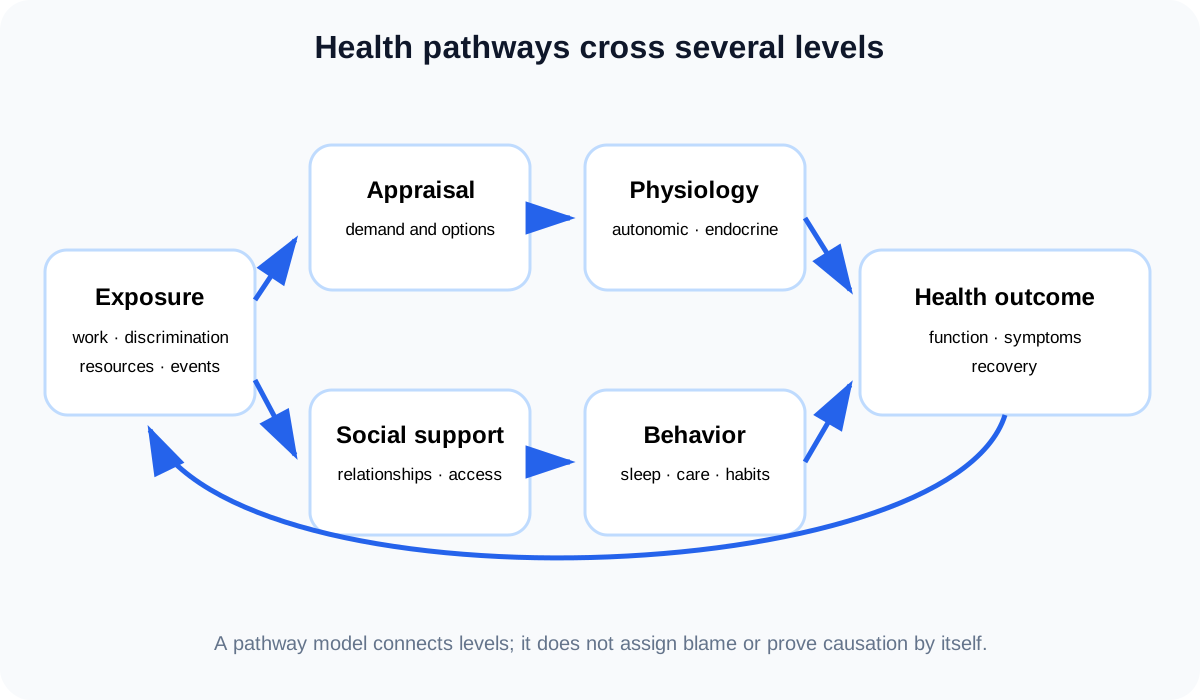
Health pathways cross biological and social levels
A health outcome can reflect several interacting pathways. The model connects levels instead of blaming a person or treating stress as a direct cause.