19th-Century Perspectives and Political Developments
Nationalism, liberalism, socialism, mass schooling, parties, press, and empire converted industrial change into organized politics. Unification and imperial expansion depended on states and coalitions, while science and culture supplied arguments that could be used, contested, or distorted.
- Exam weight
- 10–15%
- Topics
- 9
- Visual studies
- 4
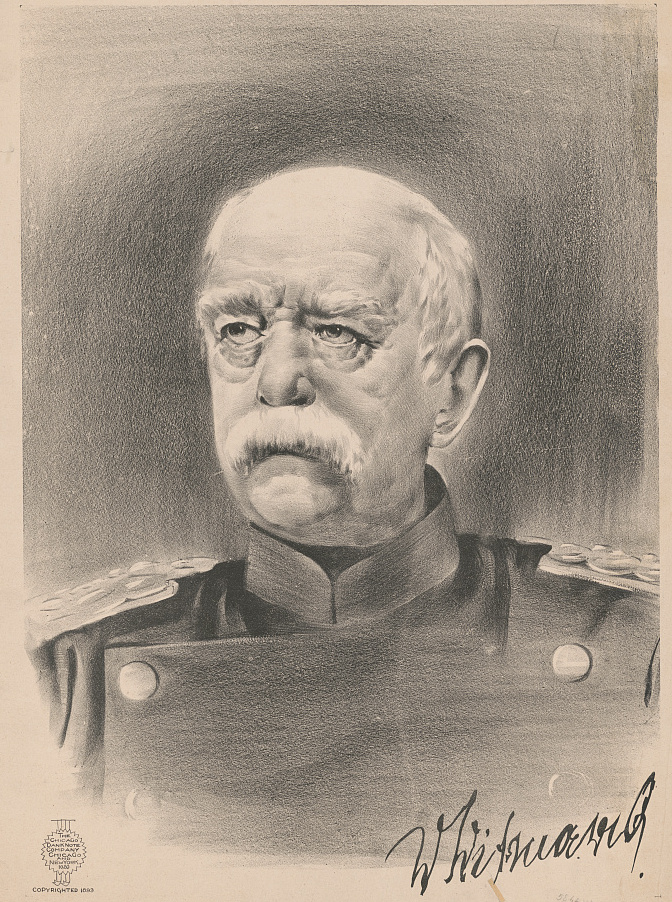
How did modern institutions turn ideas into mass political identities?
Rail, schooling, newspapers, parties, associations, conscription, and bureaucracy expanded the scale of political communication.
Piedmont and Prussia joined nationalism to state war and diplomacy, while new nations contained regional and minority conflict.
Imperial states combined strategic and economic interests with racial ideology and local intermediaries; colonized people resisted and organized.
How the changes connect
- Mass institutions repeat identities
- States convert nationalism into policy and force
- Industry expands strategic and imperial capacity
- Colonial institutions generate resistance and anticolonial networks
Compare the cases
| Case | How it worked | What made it distinct |
|---|---|---|
| Nationalism | Culture plus institutions and sovereignty claims | Can include and exclude |
| Social Darwinism | Political appropriation of biological language | Hierarchy presented as natural |
| New imperialism | State rivalry, logistics, and local intermediaries | Coercive rule with persistent resistance |
Read the chapter image
Which qualities does the portrait assign to Bismarck, and which institutions disappear from a leader-centered image?
Contextualizing 19th-Century Perspectives and Political Developments
How did states and movements turn industrial and cultural change into mass political identities?
The Vienna order preserved dynastic diplomacy, but industrial cities, rail, literacy, science, 1848, national movements, and empire changed political participation. Schools, armies, newspapers, parties, churches, and associations scaled identities without making politics automatically democratic.
Defeated revolutions left constitutions, abolished obligations, political exiles, organizational experience, and unresolved national and social demands. Failed uprisings could alter later institutions and strategy. Cheaper newspapers and expanding schools repeated standardized language, national history, political claims, and public controversies to larger audiences. Communication and education made identity routine and reproducible.
Conscription, bureaucracy, rail, parties, ceremonies, and overseas rivalry connected citizenship and national prestige to expanding state power. Institutions turned identity into mobilization and exclusion. Industrial and cultural change became mass politics when organizations and states repeated identities through education, media, service, and association, while elites still controlled many policy choices.
Evidence worth keeping
Know what each example demonstrates, not only its name.
Legacy of 1848
- What happened
- Defeated revolutions left constitutions, abolished obligations, political exiles, organizational experience, and unresolved national and social demands.
- What it proves
- Failed uprisings could alter later institutions and strategy.
- Use it for
- Choose Legacy of 1848 when you need concrete support rather than another general statement. Describe the development in one sentence and spend the next sentence on the link: Failed uprisings could alter later institutions and strategy. The comparison with Mass press and education can show whether that mechanism was isolated or repeated.
- Do not overclaim
- Legacy of 1848 shows that Failed uprisings could alter later institutions and strategy. It remains one bounded example and cannot represent every region or group.
Mass press and education
- What happened
- Cheaper newspapers and expanding schools repeated standardized language, national history, political claims, and public controversies to larger audiences.
- What it proves
- Communication and education made identity routine and reproducible.
- Use it for
- This case helps you move from example to pattern. Set Mass press and education beside Legacy of 1848, identify one shared measure, and explain the difference in policy, setting, or power that affected the outcome. Keep the comparison tied to the claim: Communication and education made identity routine and reproducible.
- Do not overclaim
- Mass press and education shows that Communication and education made identity routine and reproducible. It remains one bounded example and cannot represent every region or group.
State building and empire
- What happened
- Conscription, bureaucracy, rail, parties, ceremonies, and overseas rivalry connected citizenship and national prestige to expanding state power.
- What it proves
- Institutions turned identity into mobilization and exclusion.
- Use it for
- A qualified paragraph can end with State building and empire. Contrast its setting or outcome with Legacy of 1848, then state what the difference prevents you from claiming. The evidence still belongs in the argument because institutions turned identity into mobilization and exclusion.
- Do not overclaim
- State building and empire shows that Institutions turned identity into mobilization and exclusion. It remains one bounded example and cannot represent every region or group.
Use on the exam
Industrial and cultural change became mass politics when organizations and states repeated identities through education, media, service, and association, while elites still controlled many policy choices.
Do not describe the century as a straight road to 1914 or equate a larger political public with democratic equality.
Bottom line: Build the paragraph around the relationship between Legacy of 1848 and Mass press and education; use State building and empire to qualify how widely the explanation applies. If the paragraph becomes a list, return to one comparison: what changes between Legacy of 1848 and Mass press and education, and what boundary does State building and empire place on the answer? That final boundary keeps a useful generalization from becoming an overclaim.