Industrialization and Its Effects
Industrialization spread through energy, machinery, transport, finance, labor, state policy, and markets—not invention alone. It reorganized work and cities, sharpened class and gender relations, and produced reform movements and state responses that differed across Europe.
- Exam weight
- 10–15%
- Topics
- 10
- Visual studies
- 4
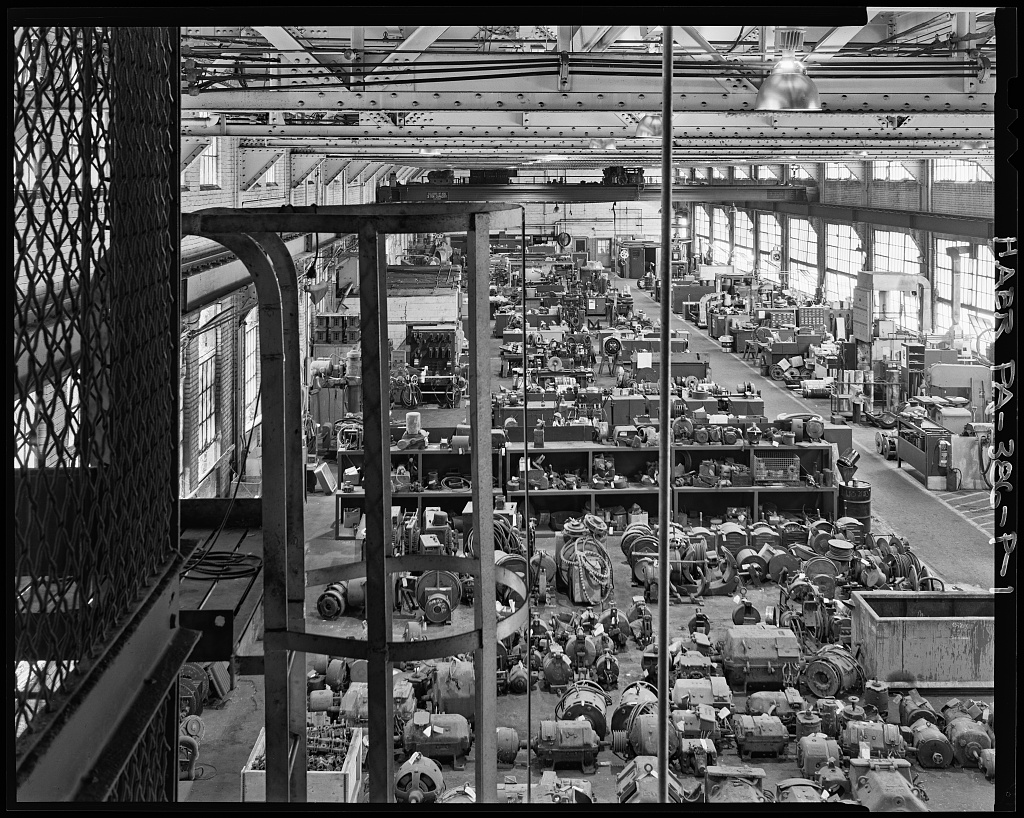
Why did industrialization produce both organization and political conflict?
Coal, machines, capital, transport, firms, and labor formed uneven regional systems rather than a single wave of invention.
Factories and cities reorganized time, households, class, health, and gender relations.
Conservative states resisted revolution, while workers, liberals, socialists, nationalists, reformers, and officials built organizations that converted pressure into policy.
How the changes connect
- Commercial and agrarian change supply capital and labor
- Factories and rail concentrate production and movement
- Urban costs and class relations create organized demands
- State capacity and coalitions select repression or reform
Compare the cases
| Case | How it worked | What made it distinct |
|---|---|---|
| Britain | Early mechanization and integrated markets | Longer adjustment period |
| Continental zones | Rail, banks, tariffs, and state support | Uneven later concentration |
| Reform institutions | Municipal services, unions, insurance | Pressure converted into policy |
Read the chapter image
Which systems must work together here, and where could power or conflict arise?
Contextualizing Industrialization and Its Origins and Effects
Why did sustained mechanized growth begin in Britain without reducing the answer to coal or invention?
Britain combined accessible energy, transport, commercial agriculture, skilled crafts, finance, patents, high demand, Atlantic markets, and imperial resources. Machines were adopted where firms could profitably join these conditions; no isolated resource or inventor explains sustained growth.
Accessible coalfields supplied dense energy, while canals, coastal shipping, roads, and later rail moved fuel, raw material, machinery, and goods at lower cost. Energy mattered through investment and a transport network. Changing farms, markets, and demographic patterns raised output and released or redirected labor while households sought wages and consumed manufactured goods. Agrarian and demographic change shaped labor supply and demand.
Credit and firms financed machinery for cotton whose supply and markets connected Britain to empire, Indian textiles, and enslaved production in the Atlantic. Industrial growth depended on global coercion and commercial institutions. Mechanized growth began in Britain because energy and inventions entered an unusually connected system of transport, finance, labor, markets, agriculture, and empire.
Evidence worth keeping
Know what each example demonstrates, not only its name.
Coal and transport
- What happened
- Accessible coalfields supplied dense energy, while canals, coastal shipping, roads, and later rail moved fuel, raw material, machinery, and goods at lower cost.
- What it proves
- Energy mattered through investment and a transport network.
- Use it for
- Use Coal and transport as direct support. Name the actor, action, result, and the link between them.
- Do not overclaim
- Coal and transport shows that Energy mattered through investment and a transport network. It remains one bounded example and cannot represent every region or group.
Commercial agriculture and labor
- What happened
- Changing farms, markets, and demographic patterns raised output and released or redirected labor while households sought wages and consumed manufactured goods.
- What it proves
- Agrarian and demographic change shaped labor supply and demand.
- Use it for
- Compare Commercial agriculture and labor with Coal and transport and explain why the shared measure matters.
- Do not overclaim
- Commercial agriculture and labor shows that Agrarian and demographic change shaped labor supply and demand. It remains one bounded example and cannot represent every region or group.
Cotton, finance, and global markets
- What happened
- Credit and firms financed machinery for cotton whose supply and markets connected Britain to empire, Indian textiles, and enslaved production in the Atlantic.
- What it proves
- Industrial growth depended on global coercion and commercial institutions.
- Use it for
- Use Cotton, finance, and global markets to qualify the claim by naming the condition or group that differs.
- Do not overclaim
- Cotton, finance, and global markets shows that Industrial growth depended on global coercion and commercial institutions. It remains one bounded example and cannot represent every region or group.
Use on the exam
Mechanized growth began in Britain because energy and inventions entered an unusually connected system of transport, finance, labor, markets, agriculture, and empire.
Do not use coal, wages, empire, or genius as a single-cause answer, and do not mistake output growth for equal welfare.
Bottom line: Build the paragraph around the relationship between Coal and transport and Commercial agriculture and labor; use Cotton, finance, and global markets to qualify how widely the explanation applies. Keep the paragraph chronological: set up Coal and transport, explain the change with Commercial agriculture and labor, and finish by deciding whether Cotton, finance, and global markets narrows the claim. Dates should mark a change in conditions, not sit beside an event as decoration.