Reform, Depression, and Global War
Industrial power pushed the United States toward overseas influence and created demands for reform at home. World war, mass culture, depression, the New Deal, and another global conflict expanded federal capacity and altered the country’s role in the world.
- Exam weight
- 10–17%
- Topics
- 15
- Visual studies
- 4
How did reform, depression, and war expand federal capacity?
Industrial power encouraged both overseas expansion and domestic regulation.
Mass culture and depression reorganized public expectations of government.
World War II mobilization created lasting military, economic, and diplomatic institutions.
How the changes connect
- Industrial scale creates reform and strategic ambitions
- Mass networks broaden culture and conflict
- Depression demands economic intervention
- Global war embeds national coordination
Compare the cases
| Case | How it worked | What made it distinct |
|---|---|---|
| Progressivism | Regulation and expertise | Fragmented, often exclusionary |
| New Deal | Security and labor institutions | Durable federal responsibility |
| World War II | Command mobilization and alliances | Largest scale and global legacy |
Read the chapter image
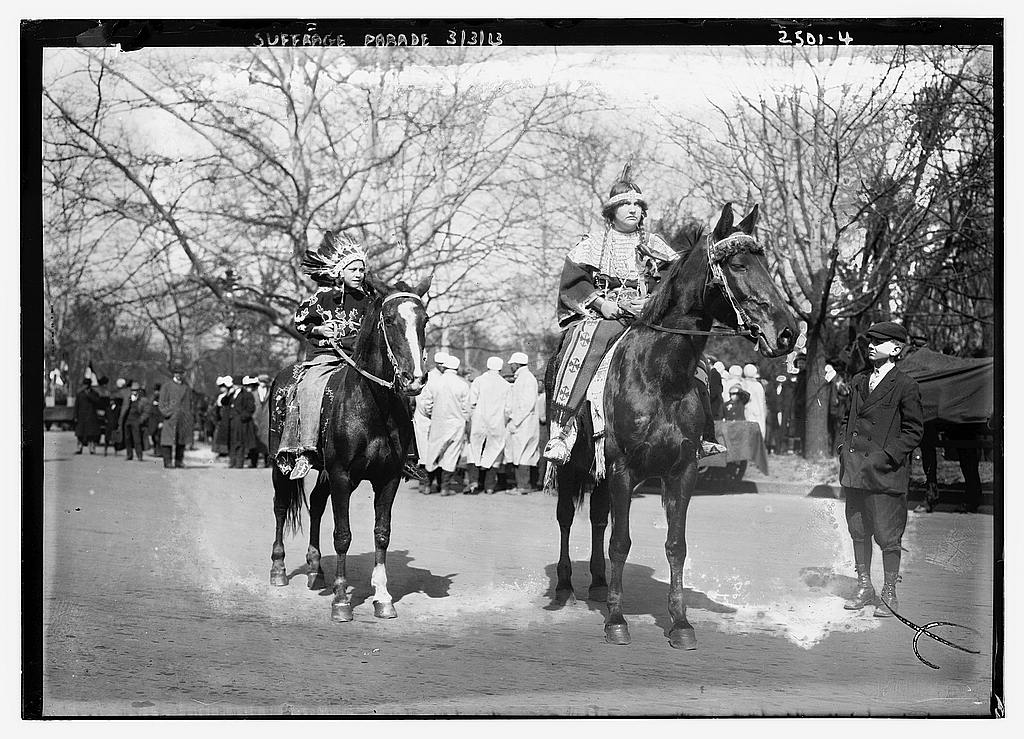
What can the photograph show about mobilization, and how might its government-sponsored purpose shape what is absent?
Contextualizing Period 7
How did industrial power change the nation’s domestic and international choices?
By 1890, corporate industry, cities, mass migration, racial exclusion, labor conflict, and a closing continental frontier pushed Americans toward reform and overseas influence.
National firms concentrated production, finance, and political leverage. Industrial power created both capacity and demands for regulation. Cities concentrated migrants, consumers, poverty, and political organization. Social problems became visible as structural public questions.
Business and strategic writers promoted access to foreign markets and naval bases. Domestic capacity shaped arguments for a larger global role. Industrial capacity underlay both Progressive reform and overseas expansion, though coalitions disagreed over how government should use that power.
Evidence worth keeping
Know what each example demonstrates, not only its name.
Corporate scale
- What happened
- National firms concentrated production, finance, and political leverage.
- What it proves
- Industrial power created both capacity and demands for regulation.
- Use it for
- Use Corporate scale as direct support for the topic’s main relationship. Begin with the action or policy, name the people or institution making the choice, and then explain the result: Industrial power created both capacity and demands for regulation. Pair it with Urban growth if the prompt asks you to weigh more than one cause.
- Do not overclaim
- Corporate scale shows that Industrial power created both capacity and demands for regulation. It remains one bounded example and cannot represent every region or group.
Urban growth
- What happened
- Cities concentrated migrants, consumers, poverty, and political organization.
- What it proves
- Social problems became visible as structural public questions.
- Use it for
- Pair Urban growth with Corporate scale. Hold the question constant—power, labor, citizenship, markets, or another relevant category—and explain whether the second case confirms the same mechanism or changes it. The useful inference is that social problems became visible as structural public questions.
- Do not overclaim
- Urban growth shows that Social problems became visible as structural public questions. It remains one bounded example and cannot represent every region or group.
Overseas markets
- What happened
- Business and strategic writers promoted access to foreign markets and naval bases.
- What it proves
- Domestic capacity shaped arguments for a larger global role.
- Use it for
- Use Overseas markets to define how far the claim reaches. Give its date, place, and affected group before explaining the boundary. It can qualify Corporate scale and Urban growth because domestic capacity shaped arguments for a larger global role. This supports a precise “although” clause instead of a universal statement.
- Do not overclaim
- Overseas markets shows that Domestic capacity shaped arguments for a larger global role. It remains one bounded example and cannot represent every region or group.
Use on the exam
Industrial capacity underlay both Progressive reform and overseas expansion, though coalitions disagreed over how government should use that power.
Do not treat foreign policy as separate from domestic economic and racial ideas.
Bottom line: Build the paragraph around the relationship between Corporate scale and Urban growth; use Overseas markets to qualify how widely the explanation applies. Keep the paragraph chronological: set up Corporate scale, explain the change with Urban growth, and finish by deciding whether Overseas markets narrows the claim. Dates should mark a change in conditions, not sit beside an event as decoration.