Absolutism and Constitutionalism
European states expanded military and administrative capacity through taxation, credit, offices, armies, and bargaining. France concentrated authority around monarchy and court, while Britain and the Dutch Republic tied revenue to representative institutions; every system retained limits and exclusions.
- Exam weight
- 10–15%
- Topics
- 8
- Visual studies
- 4
How did different state systems build military and fiscal capacity?
Expensive warfare pushed governments to seek dependable taxes, credit, officers, and administration.
Absolutist rulers concentrated bargaining through court and royal councils without eliminating privilege or provincial negotiation.
Constitutional systems made revenue more dependent on representative institutions, while Dutch commerce and public credit tied state capacity to markets.
How the changes connect
- War raises recurring fiscal demand
- Governments bargain with elites and officeholders
- Credit turns future revenue into current capacity
- Diplomacy manages the stronger and weaker states produced
Compare the cases
| Case | How it worked | What made it distinct |
|---|---|---|
| France | Court monarchy and negotiated privilege | Large capacity with fiscal limits |
| Britain | Parliamentary taxation and public credit | Durable borrowing after constitutional conflict |
| Dutch Republic | Provincial bargaining and commercial finance | High capacity in a small federal republic |
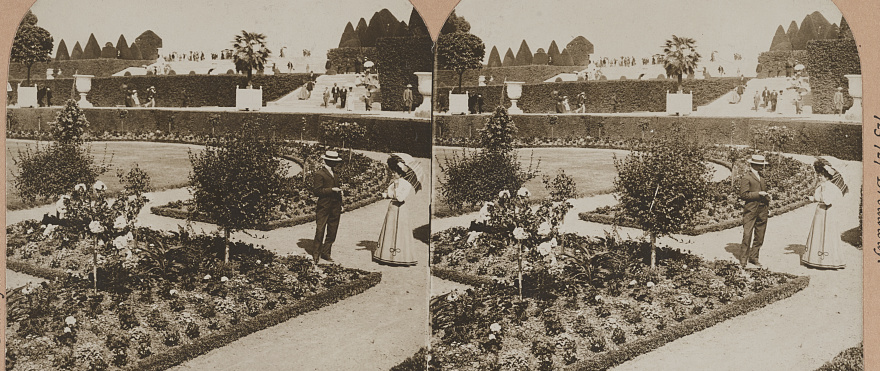
Read the chapter image
Which features stage power, and which evidence would be needed to decide whether that power was effective?
Contextualizing State Building
Why did seventeenth-century rulers seek greater capacity, and why did they build it through different institutions?
Long wars and larger forces required recurring revenue, credit, supplies, and administration. Rulers could not simply command those resources: they bargained with nobles, estates, towns, churches, financiers, and officeholders whose cooperation shaped different distributions of authority.
Permanent or regularly maintained forces required recruitment, drill, officers, magazines, transport, and predictable payment beyond a temporary feudal levy. War created demand for durable fiscal and administrative systems. Rulers used officials, tax farmers, provincial bodies, offices, and negotiated exemptions to collect revenue, often preserving privileges while expanding claims. Central demands grew through bargaining and intermediaries rather than uniform control.
Parliaments, provincial estates, public banks, and creditor confidence helped some states authorize taxes and borrow at lower cost. Consent organized through institutions could increase rather than simply weaken state capacity. Seventeenth-century state building accelerated because war demanded dependable resources, while the groups controlling revenue and enforcement determined whether rulers used courts, offices, representative bodies, or public credit.
Evidence worth keeping
Know what each example demonstrates, not only its name.
Standing armies
- What happened
- Permanent or regularly maintained forces required recruitment, drill, officers, magazines, transport, and predictable payment beyond a temporary feudal levy.
- What it proves
- War created demand for durable fiscal and administrative systems.
- Use it for
- Use Standing armies as direct support for the topic’s main relationship. Begin with the action or policy, name the people or institution making the choice, and then explain the result: War created demand for durable fiscal and administrative systems. Pair it with Tax administration if the prompt asks you to weigh more than one cause.
- Do not overclaim
- Standing armies shows that War created demand for durable fiscal and administrative systems. It remains one bounded example and cannot represent every region or group.
Tax administration
- What happened
- Rulers used officials, tax farmers, provincial bodies, offices, and negotiated exemptions to collect revenue, often preserving privileges while expanding claims.
- What it proves
- Central demands grew through bargaining and intermediaries rather than uniform control.
- Use it for
- Use Tax administration as the second piece of evidence in a paragraph built around Standing armies. Compare the actors, institution, and outcome rather than the names of the events. That structure lets the evidence support a defensible inference: Central demands grew through bargaining and intermediaries rather than uniform control.
- Do not overclaim
- Tax administration shows that Central demands grew through bargaining and intermediaries rather than uniform control. It remains one bounded example and cannot represent every region or group.
Representation and credit
- What happened
- Parliaments, provincial estates, public banks, and creditor confidence helped some states authorize taxes and borrow at lower cost.
- What it proves
- Consent organized through institutions could increase rather than simply weaken state capacity.
- Use it for
- Use Representation and credit to qualify the claim by naming the condition or group that differs.
- Do not overclaim
- Representation and credit shows that Consent organized through institutions could increase rather than simply weaken state capacity. It remains one bounded example and cannot represent every region or group.
Use on the exam
Seventeenth-century state building accelerated because war demanded dependable resources, while the groups controlling revenue and enforcement determined whether rulers used courts, offices, representative bodies, or public credit.
Do not present state consolidation as a straight march to modernity or assume constitutional states were automatically more inclusive.
Bottom line: Build the paragraph around the relationship between Standing armies and Tax administration; use Representation and credit to qualify how widely the explanation applies. Keep the paragraph chronological: set up Standing armies, explain the change with Tax administration, and finish by deciding whether Representation and credit narrows the claim. Dates should mark a change in conditions, not sit beside an event as decoration.